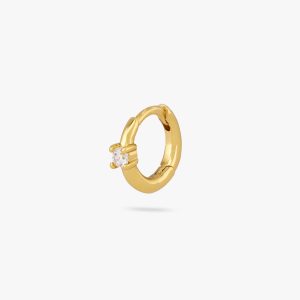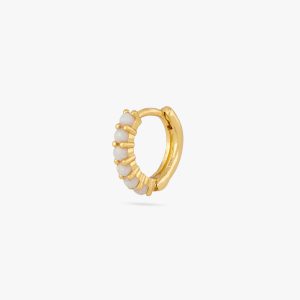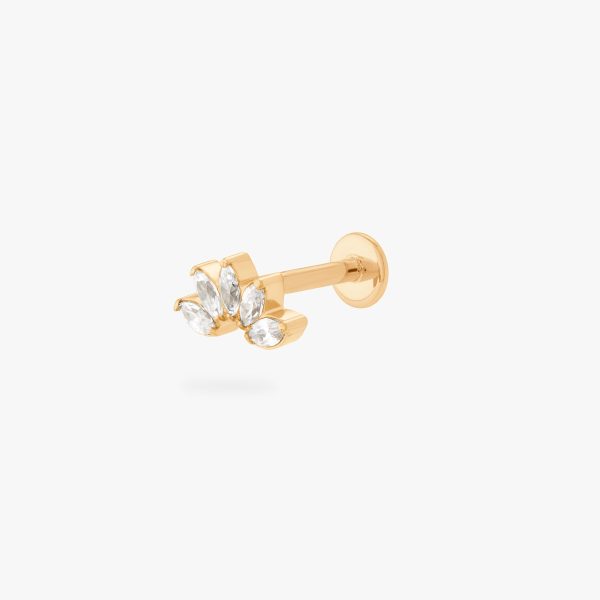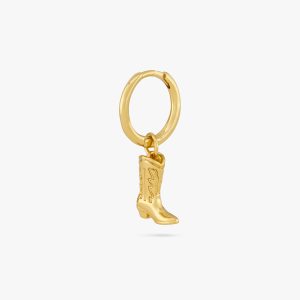
The Enduring Allure of Adornment: A Journey Through the World of Jewelry
Jewelry. The very word evokes images of sparkle, elegance, and personal expression. More than just decorative items, pieces of jewelry are imbued with history, culture, emotion, and artistry. They are treasures that we wear, cherish, and pass down through generations, each with a story to tell. From the earliest forms of human adornment to the intricate designs of contemporary artisans, jewelry has always played a central role in human culture, serving as a powerful symbol of status, identity, love, and personal style.
A Timeless Tapestry: Jewelry Through the Ages
The human fascination with adornment is as old as humanity itself. Long before the existence of precious metals and cut gemstones, early humans adorned themselves with natural materials. Shells, animal teeth, bones, and stones were fashioned into necklaces, bracelets, and pendants, used to signify tribal affiliation, spiritual beliefs, or simply to enhance personal appearance. These early ornaments were not merely decorative; they were deeply symbolic, offering protection, indicating social standing, or marking important life events.
The ancient civilizations further elevated the art of jewelry making. In ancient Egypt, elaborate gold necklaces, pectorals, and bracelets, often inlaid with lapis lazuli, turquoise, and carnelian, were worn by both men and women of high status. These pieces were not only symbols of wealth and power but were also believed to possess protective qualities and were vital components of funerary rituals, intended to guide the deceased into the afterlife. The intricate craftsmanship and symbolic motifs found in Egyptian jewelry continue to inspire awe and admiration.
Ancient Mesopotamia also boasts a rich history of jewelry production. Sumerian artisans, for instance, were masters of intricate metalworking techniques, creating delicate filigree and granulation work in gold and silver. Their designs often featured geometric patterns and stylized representations of flora and fauna, reflecting their connection to the natural world.
The Ancient Greeks and Romans continued this tradition, with jewelry becoming increasingly elaborate and diverse. The Greeks, known for their mastery of gold, developed techniques like repoussé and chasing to create detailed designs. They also incorporated a wide array of gemstones, including pearls, amethysts, and emeralds. The Romans, influenced by Greek artistry, expanded the use of jewelry to signify social rank and military achievements. They were particularly fond of signet rings, used for sealing documents, and elaborate necklaces and bracelets that showcased their wealth.
During the Middle Ages, jewelry often carried religious significance. Crosses, reliquaries, and other devotional pieces were popular, alongside jewelry that denoted wealth and status. Royal families and nobility commissioned opulent pieces adorned with precious metals and large gemstones, serving as clear indicators of their power and prestige. The Renaissance, a period of artistic and intellectual rebirth, saw a flourishing of jewelry design. Goldsmiths and jewelers became highly skilled artisans, creating intricate pieces that combined exquisite craftsmanship with a renewed appreciation for classical motifs. Cameos, intaglios, and elaborate gemstone settings became hallmarks of this era.
The 18th and 19th centuries witnessed further evolution in jewelry styles. The Georgian and Victorian eras, in particular, were characterized by distinct aesthetic trends. Georgian jewelry often featured symmetrical designs, delicate floral motifs, and colorful gemstones like garnets, emeralds, and sapphires. Victorian jewelry, influenced by the era’s romanticism and fascination with nature, incorporated motifs such as hearts, flowers, and insects. Mourning jewelry, often made with jet or black enamel and sometimes incorporating locks of hair, also became a significant trend.
The advent of the 20th century brought about a revolution in jewelry design, driven by new artistic movements and technological advancements. Art Nouveau, with its flowing lines and organic forms, gave way to the geometric precision of Art Deco. The mid-20th century saw the rise of iconic styles, and by the late 20th and early 21st centuries, jewelry design had become incredibly diverse, embracing a wide range of aesthetics, from minimalist chic to bold, avant-garde creations.
The Language of Stones: Gemstones and Their Meaning
At the heart of much of the world’s most treasured jewelry lie gemstones. These precious and semi-precious stones, formed over millennia through geological processes, possess a captivating beauty and a rich tapestry of symbolic meanings that have been attributed to them throughout history.
Diamonds, universally recognized as symbols of eternal love and commitment, are prized for their unparalleled brilliance, hardness, and rarity. Their fiery sparkle has made them the centerpiece of engagement rings and symbols of enduring relationships.
Rubies, with their deep red hue, have long been associated with passion, courage, and vitality. In many cultures, they were believed to bestow power and protection upon the wearer.
Emeralds, the vibrant green gemstone, symbolizes growth, renewal, and fertility. They are also associated with wisdom and insight, believed to enhance clarity of thought and promote emotional balance.
Sapphires, most famously in a rich blue, are linked to wisdom, royalty, and divine favor. They are often seen as symbols of loyalty and sincerity, making them a popular choice for rings and pendants.
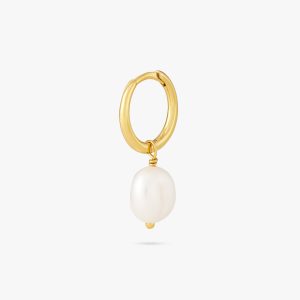
Beyond these “precious” stones, a world of semi-precious gemstones offers an even broader spectrum of colors, meanings, and affordability. Amethyst, with its soothing purple tones, is associated with peace, clarity, and spiritual awareness. Topaz, available in a variety of colors, is often linked to strength, intellect, and good fortune. Garnets, typically deep red, symbolize passion, devotion, and commitment. Pearls, formed within oysters, represent purity, innocence, and wisdom gained through experience. Their lustrous glow has made them a timeless favorite.
The choice of gemstone in a piece of jewelry is often deeply personal, reflecting the wearer’s birth month, personal beliefs, or aspirations. Birthstones, in particular, have a long-standing tradition, with each month associated with a specific gem believed to bring good luck and protection to those born in that month.
The Art of Self-Expression: Jewelry as a Personal Statement
In the contemporary world, jewelry has transcended its historical roles as mere indicators of wealth or status. It has become a powerful medium for self-expression, a way to communicate one’s personality, mood, and individuality to the world. The pieces we choose to wear are a curated extension of ourselves, a silent language that speaks volumes.
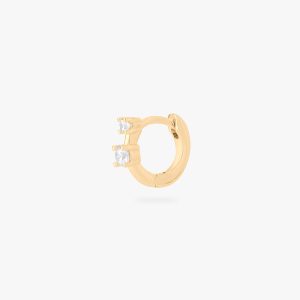
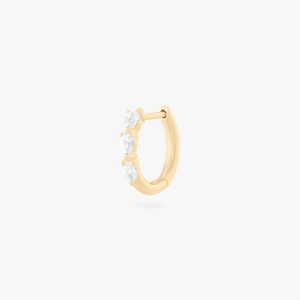
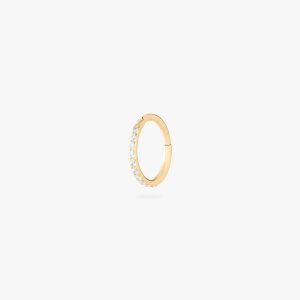
Minimalist jewelry, characterized by its clean lines, subtle designs, and understated elegance, appeals to those who prefer a sophisticated and uncluttered aesthetic. These pieces often serve as a gentle accent, adding a touch of refinement without overpowering an outfit. They convey a sense of quiet confidence and timeless style.
On the other end of the spectrum, statement jewelry is designed to make a bold impact. Oversized earrings, chunky necklaces, and elaborate bracelets command attention, reflecting a wearer’s confidence, creativity, and willingness to embrace individuality. These pieces are often conversation starters, embodying a spirit of adventure and a flair for the dramatic.
Personalization has also become a significant trend in jewelry. Engraved messages, custom-designed pendants, and birthstone arrangements allow individuals to create pieces that are uniquely theirs, carrying personal meaning and sentimental value. Whether it’s a locket holding a cherished photograph, a ring engraved with a special date, or a bracelet adorned with charms representing significant life events, personalized jewelry transforms an accessory into a deeply meaningful artifact.
The emotional value of jewelry cannot be overstated. A piece passed down from a loved one can carry profound sentimental weight, serving as a tangible connection to cherished memories and familial bonds. Jewelry can mark significant life milestones: an engagement ring symbolizing a promise of love, a graduation gift celebrating academic achievement, or a piece commemorating a special anniversary. These objects become vessels of emotion, holding within them the stories of our lives.
Craftsmanship and Innovation: The Making of Modern Treasures
The creation of exquisite jewelry is a testament to both time-honored craftsmanship and cutting-edge innovation. Traditional techniques, honed over centuries by skilled artisans, continue to be the foundation of fine jewelry making.
Handcrafting involves meticulous shaping, soldering, and setting of metals and gemstones using hand tools. Techniques like filigree, the delicate art of twisting fine metal threads into intricate patterns, and granulation, the process of fusing tiny metal spheres to a surface, showcase incredible skill and patience. Enameling, where powdered glass is fused to metal to create vibrant, durable colors, adds another layer of artistry.
In recent decades, technology has revolutionized the jewelry industry. Computer-Aided Design (CAD) software allows designers to create highly detailed 3D models of jewelry with unparalleled precision. This enables the creation of complex structures and intricate details that might be challenging to achieve by hand. 3D printing technology then allows these digital designs to be rapidly prototyped or even directly produced, opening up new possibilities for form and function.
Laser technology has also become indispensable, offering precise cutting and engraving capabilities. This allows for the creation of intricate patterns on metal and the precise shaping of gemstones, ensuring maximum brilliance.
The integration of these traditional and modern techniques allows for the creation of jewelry that is both aesthetically stunning and technically sophisticated. Artisans can now realize visions that were once unimaginable, pushing the boundaries of what is possible in jewelry design.
The Enduring Significance of Jewelry
Jewelry is more than just an adornment; it is a reflection of our history, our culture, our emotions, and our aspirations. It is a testament to human creativity and skill, a canvas for self-expression, and a keeper of memories. Whether it’s a simple, elegant piece or an elaborate, dazzling creation, jewelry has an enduring power to captivate, to tell stories, and to connect us to ourselves and to each other. As we continue to evolve, so too will the art of jewelry, ensuring its place as a cherished and significant part of the human experience for generations to come.